
How Often Should You Wax Your Car? A Practical Guide for Real-World Drivers
how often to wax car
9,817If you’re wondering how often to wax your car, you’re really asking two questions at once:
How do I keep my car looking good and how do I protect the value I’ve got in it?
Waxing isn’t just about shine. A good layer of protection slows down fading, oxidation, and clearcoat damage from sun, rain, salt, and road grime. That has a direct impact on resale value, trade-in offers, and how your car is judged when you decide to keep it long term and protect it with a vehicle service contract.
The short answer:
- For most daily drivers, waxing 2–4 times per year is a solid target.
- In harsh climates or constant sun, you may want to wax every 2–3 months.
- With modern sealants or ceramic-style products, you can often stretch the interval a bit.
The long answer depends on how and where you drive. Let’s break it down.
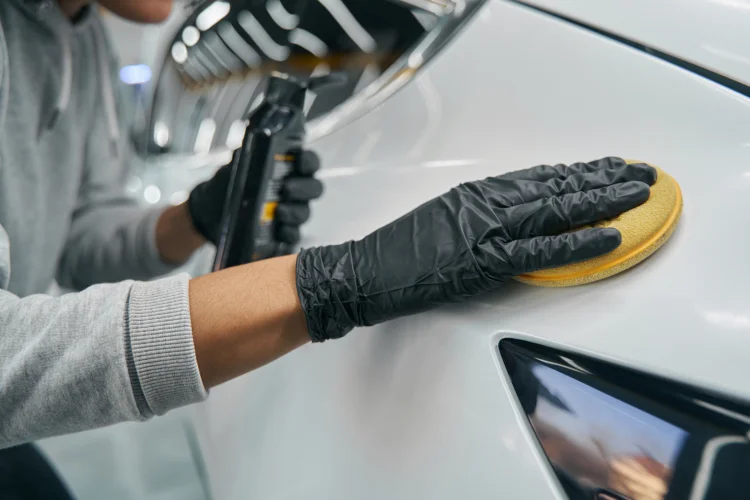
Why Waxing Still Matters (Even With Modern Clearcoat)
Modern paint systems are more advanced than they were decades ago, but they’re not invincible. Your clearcoat is thin, and it’s constantly under attack from:
- UV rays and heat
- Acid rain and industrial fallout
- Road salt and winter slush
- Bird droppings, tree sap, and bug guts
Wax or sealant acts like a sacrificial layer. Instead of your clearcoat taking the full hit, the wax takes the punishment first.
That matters when you’re thinking about the long-term cost of ownership. Big-picture pieces like The true cost of car repairs: is an extended warranty worth it? and Is a car protection plan worth it in 2025? key benefits and insights focus on mechanical failure, but the same logic applies visually: protecting your car today avoids bigger bills and lower offers tomorrow.
General Rules: How Often to Wax Based on How You Use Your Car
There’s no single schedule that works for everyone. Instead, use your driving reality as the guide.
1. Normal daily driver, mixed conditions
- Typical commute, parking outdoors some of the time
- Occasional road trips, regular rain and sun exposure
For this scenario, waxing every 3–4 months (about 3 times a year) is a good baseline. You’re giving your paint a fresh layer of protection as the previous one wears down.
2. Mostly garaged, low mileage
- Car sleeps in a garage or covered parking
- Lower annual mileage, minimal harsh weather exposure
You can usually get away with waxing twice a year (spring and fall). The environment is doing a lot of the protective work for you.
3. Harsh climates: intense sun, snow, or coastal areas
- Long, hot summers and strong UV
- Heavy road salt in winter
- Living near the ocean with salt in the air
Here, waxing every 2–3 months is more realistic. That may sound like a lot, but UV, salt, and grime eat through protection faster and go to work on your clearcoat the moment that layer is gone.
If you plan to keep a car long term in these conditions, it’s the same logic you’d use when thinking about service contracts for used cars or vehicle protection plans: tougher environment = more proactive protection.
How Product Type Changes Waxing Frequency
Not all “wax” is the same. What you use on the car changes how often you need to reapply.
Traditional carnauba wax
- Warm, deep shine
- Typically lasts 4–8 weeks, sometimes up to 2–3 months with gentle washing
- Best if you enjoy detailing and don’t mind waxing a bit more often
If you’re using a classic paste or liquid carnauba, lean toward the more frequent side of the recommendations above.
Synthetic sealant
- Built for durability
- Often advertised to last 4–6 months (real-world, plan on 3–4)
- Great for daily drivers where you want strong, longer-lasting protection
With a good sealant, waxing every 3–4 months is reasonable for most drivers.
Ceramic sprays and coating “lites”
- Easier maintenance than full professional ceramic coatings
- Can extend the life of your base wax or sealant
- Often layered on top of existing protection for added beading and durability
These can help you stretch your intervals, but they’re not a reason to neglect protection completely. Think of them as a boost, similar to how a well-chosen VSC boosts your long-term mechanical protection without replacing regular maintenance.
Practical Signs It’s Time to Wax Again
Instead of staring at the calendar, you can use a few simple checks:
-
Water behavior: After a wash, does water bead up tightly and roll off, or does it sit flat on the paint?
- Tight, round beads = protection still working
- Flat, lazy water = time to reapply
-
Feel test: After washing and drying, lightly glide your fingers over the paint.
- Smooth and slick = wax or sealant still on the surface
- Rough, sticky, or “dry” = protection mostly gone
-
Visual cues: Fading shine, more visible water spots, and a paint surface that picks up dirt quickly are all subtle clues that the protective layer is fading.
Just like you don’t wait for a breakdown to start reading about auto breakdown protection, you don’t want to wait until the paint looks tired before you add more protection.
A Simple Year-Round Wax Schedule You Can Actually Stick To
If you want something you can put on a calendar, here’s a realistic approach for a typical daily driver:
-
Early spring: Deep clean (including decontamination if you’re into that), then apply a fresh coat of wax or sealant to prepare for sun, bugs, and road trips.
-
Mid-summer: Quick inspection. If water beading and slickness are fading, add a maintenance coat or a spray sealant.
-
Early fall: Another full wash and wax to get ready for colder temps, rain, and road salt.
-
Winter: Frequent washing matters more than waxing in freezing temps, but if the weather gives you a warm weekend, a maintenance layer doesn’t hurt.
You can adjust the number of waxes up or down based on your climate and product choice, but this framework keeps you in the 2–4 times per year sweet spot.
How Waxing Connects to Resale Value and Protection Plans
Waxing your car isn’t just about how it looks on Saturday afternoon. It also shows up later when you:
- Trade your car in
- Sell it privately
- Decide whether to keep it and protect it with a car protection plan or extended coverage
A car with:
- Glossy paint
- Minimal oxidation or clearcoat damage
- Clean, protected trim and headlights
will almost always appraise better than a mechanically similar car that looks tired and neglected. It also pairs better with a long-term ownership strategy where you:
- Keep the vehicle instead of taking on a new payment
- Use coverage like the ones explained in New car vs warranty for your paid-off car
- Smooth out mechanical risk with a well-structured vehicle service contract
Cuvrd focuses heavily on the financial side of ownership in guides like Why a VSC makes budgeting for car expenses easier and the broader extended warranty how-to and extended warranty cost and price categories on the Cuvrd blog. Waxing is the cosmetic version of the same mindset: small, regular actions that protect you from bigger pain later.
When You Can Wax Less (and When You Should Wax More)
You can safely wax less often if:
- The car is garaged or parked under cover most of the time
- You drive relatively few miles each year
- You’ve invested in durable protection like a high-quality sealant
You should consider waxing more often if:
- The car lives outside in intense sun or harsh winters
- You park under trees or deal with heavy industrial fallout
- You rely on your car for long commutes or family road trips and want it to look presentable and be easy to clean
When you step back, it’s the same thought process you use when reading About Warranties or the FAQ: understand your risk, then choose the level of protection that fits.
The Bottom Line: Wax Regularly Enough to Stay Ahead of Damage
You don’t have to obsess over show-car perfection to take good care of your vehicle.
If you:
- Wax 2–4 times per year,
- Use decent products and proper washing techniques, and
- Pay attention to how water behaves on the surface
your car will stay better protected than the vast majority of vehicles on the road.
Combine that kind of cosmetic care with smart mechanical protection—like the strategies covered across cuvrd.com and the Cuvrd blog—and you’re not just driving a car that looks good today. You’re protecting the value and reliability that will matter years from now.
Drive smart. Stay protected. Stay Cuvrd.
TL;DR: Wondering how often to wax your car to keep it looking sharp and protected without wasting time and money? This guide breaks down realistic waxing schedules based on climate, driving habits, and product type, plus simple tests to know when your protection is fading—so you can protect both your paint and your car’s long-term value.
— Julie Kamada